
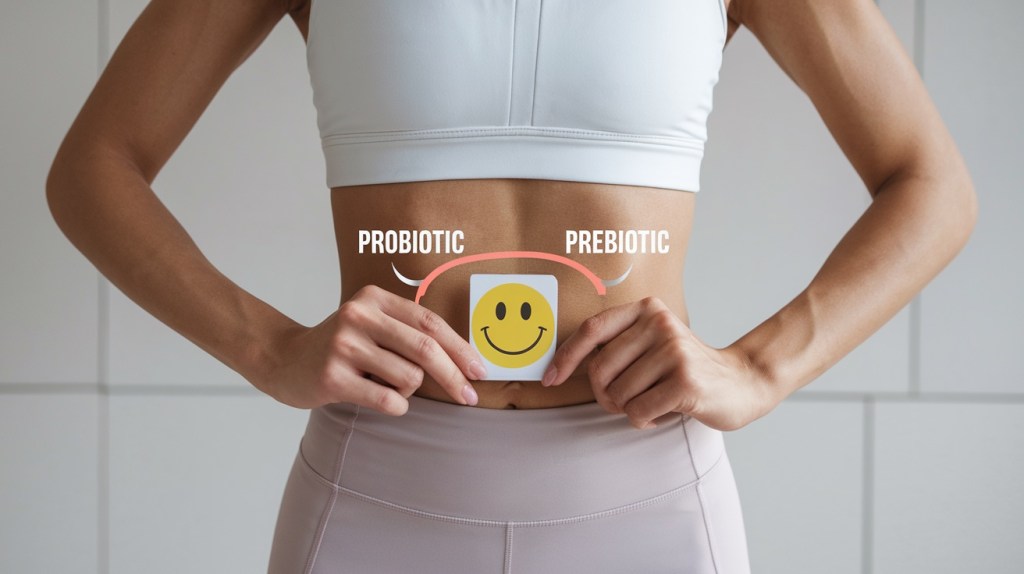
Ever felt bloated, sluggish, or just out of sync with your body?
Your gut health might be the reason. Trillions of bacteria, some beneficial and others not so beneficial, live in the digestive tract. Probiotics and prebiotics,in the perfect combination, can help maintain the balance of your gut health.

In this blog we’ll discuss the distinctions between probiotics and prebiotics, their importance, and simple ways to incorporate them into your diet.
What Are Probiotics?
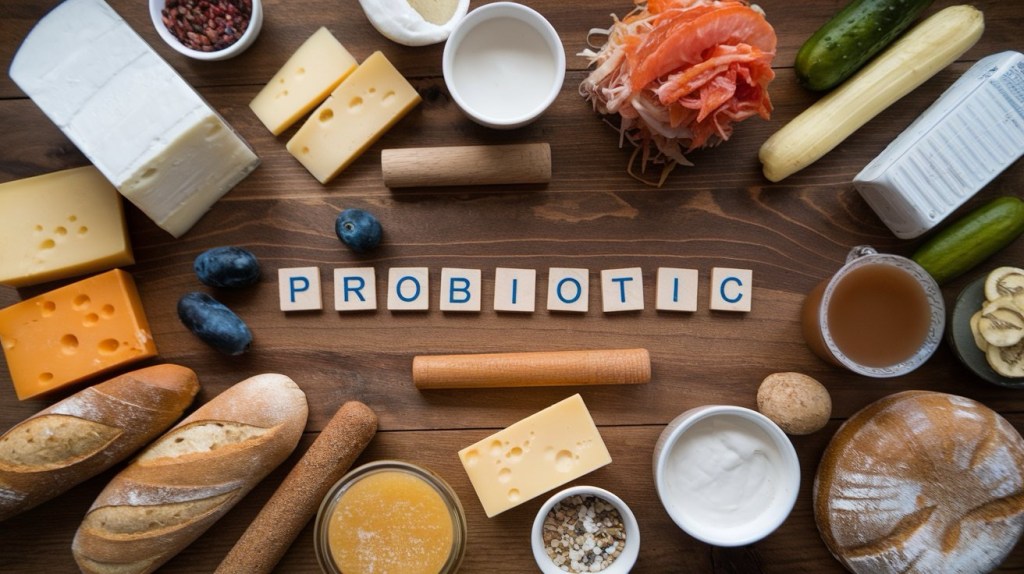
Probiotics are live bacteria and yeasts that provide health benefits, especially for your digestive system. They help restore the natural balance of gut bacteria, improve digestion, and even support immunity.
Common Sources of Probiotics:
- Yogurt
- Kefir – A fermented dairy drink packed with good bacteria
- Sauerkraut – Fermented cabbage that supports gut flora
- Kimchi – A Korean fermented dish with beneficial bacteria
- Miso & Tempeh – Fermented soy-based foods
- Probiotic supplements – Convenient but should be taken with professional advice.
What Are Prebiotics?
Unlike probiotics, prebiotics are non-digestible fibres that provide nourishment to the beneficial bacteria in your stomach.
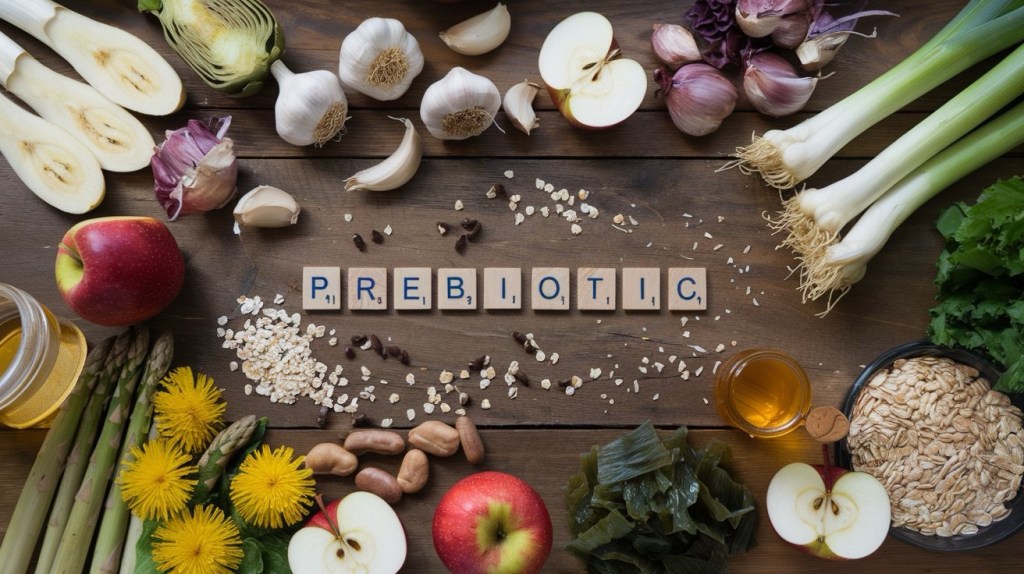
Common Sources of Prebiotics:
- Garlic & Onions
- Bananas – Especially when slightly green, as they contain resistant starch
- Oats – Rich in beta-glucan, a great prebiotic fiber
- Asparagus & Leeks – Excellent sources of inulin, a key prebiotic
- Apples – Contain pectin, which nourishes gut bacteria
Why You Need Both!!!
Probiotics deliver beneficial bacteria to your stomach, while prebiotics provide the nutrients those bacteria require to develop and function properly.
Together, they :
- Improve digestion,Relieve bloating, constipation, and diarrhoea.
- Strengthen immunity – A healthy gut supports overall immune function
- Boost mood – The gut-brain connection means better gut health can improve mental well-being.
- Help with weight management – A balanced gut can regulate appetite and metabolism.
How to Include Them in Your Diet?
- Start your day with yogurt and a banana –A perfect probiotic – prebiotic combination
- Add fermented foods to your meals – A side of kimchi or sauerkraut works wonders
- Snack smart – A handful of nuts, apples, or oats can boost prebiotic intake
- Try a kefir smoothie – Blend kefir with fruits and a bit of honey for a gut-friendly drink
- Consider supplements (if needed) – If your diet lacks variety, a doctor-approved probiotic supplement can help.
Key Takeaway
Gut health has a significant impact on overall wellness, from digestion to mental health. By incorporating both probiotics and prebiotics into your diet, you may create a healthy and thriving microbiome. So, the next time you grab for yoghurt, try it with fiber-rich fruits or vegetables—you’ll be doing your gut a tremendous favour!
 Nutrifitnexus
Leave a comment